

Divorce waiting periods vary widely by state. In some states, spouses must live separate and apart for months or even years before a divorce can be granted. Illinois is different. Illinois does not impose a mandatory statutory waiting period for divorce, though it does require residency and allows courts to rely on separation as a presumption rather than a prerequisite.
This article explains how divorce waiting periods work in Illinois, then compares that approach to how other states use mandatory separation periods. It is not a comprehensive 50-state survey. Divorce laws vary by jurisdiction and change over time.
Quick Takeaways
“Divorce waiting period” can mean different things depending on the state.
Illinois does not have a mandatory statutory waiting period for divorce.
Illinois requires 90 days of residency before a divorce may be granted.
Living separate and apart for six months creates an irrebuttable presumption of irreconcilable differences in Illinois — but it is not required.
Some states require spouses to live separate and apart for a fixed period before divorce is allowed.
Local Illinois court rules may impose short, waivable procedural delays.
Is There a Waiting Period to Get Divorced in Illinois?
No. Illinois law does not impose a mandatory waiting period before a divorce may be granted. If at least one spouse has lived in Illinois for 90 days and the legal requirements for dissolution are met, an Illinois court may enter a divorce judgment without a fixed delay. Living separate and apart for six months creates a presumption of irreconcilable differences, but it is not required.
Understanding Divorce Waiting Periods
When people search for “divorce waiting periods by state,” they are usually trying to answer one practical question:
How long do I have to wait before my divorce can be finalized?
States answer that question in different ways, including:
Mandatory separation periods
Residency requirements
Procedural rules tied to filing or service
Judicial findings based on agreement and circumstances
Illinois stands out because it does not rely on elapsed time alone as a prerequisite to divorce.
Illinois: Divorce Waiting Periods Explained Clearly
Illinois is a no-fault divorce state. The only legal ground for divorce is that irreconcilable differences have caused the irretrievable breakdown of the marriage, and the court determines that reconciliation efforts have failed or would be impracticable. 750 ILCS 5/401.
No Mandatory Statutory Waiting Period in Illinois
Illinois law does not require spouses to wait a fixed amount of time before a divorce judgment may be entered.
If the statutory requirements are met and the spouses have reached full agreement on all issues — including property division, parenting matters, and support — an Illinois court may grant a divorce without imposing a mandatory waiting period.
This is one of the most frequently misunderstood aspects of Illinois divorce law.
The 90-Day Illinois Residency Requirement
Before an Illinois court may grant a divorce, at least one spouse must have resided in Illinois for a minimum of 90 days prior to filing the petition or prior to the court making its finding of irreconcilable differences. 750 ILCS 5/401(a).
This requirement is jurisdictional, meaning the court cannot grant a divorce unless it is satisfied.
The Six-Month Separation Presumption (Not a Requirement)
Illinois law includes a commonly misunderstood rule regarding separation.
Under 750 ILCS 5/401, if spouses have lived separate and apart for at least six months, the law creates an irrebuttable presumption that irreconcilable differences exist.
Important clarifications:
The six-month period is not required
It is a presumption, not a prerequisite
Courts may grant a divorce without six months of separation if the agreement and circumstances otherwise satisfy the statute
This differs significantly from states that require separation as a condition to divorce.
Local Court Rules and Short Procedural Delays in Illinois
Although Illinois statutes do not impose a mandatory waiting period, local court rules may include brief procedural delays.
Examples include:
Illinois 8th Judicial Circuit Rule 7.1(g) — a 24-hour waiting period after filing, waivable for good cause
Illinois 23rd Judicial Circuit Rule 6.30(c) — a 30-day waiting period from the summons return date, waivable in open court or in writing
These are administrative rules, not statewide statutory mandates, and are frequently waived in uncontested cases.
States That Require Mandatory Separation Before Divorce
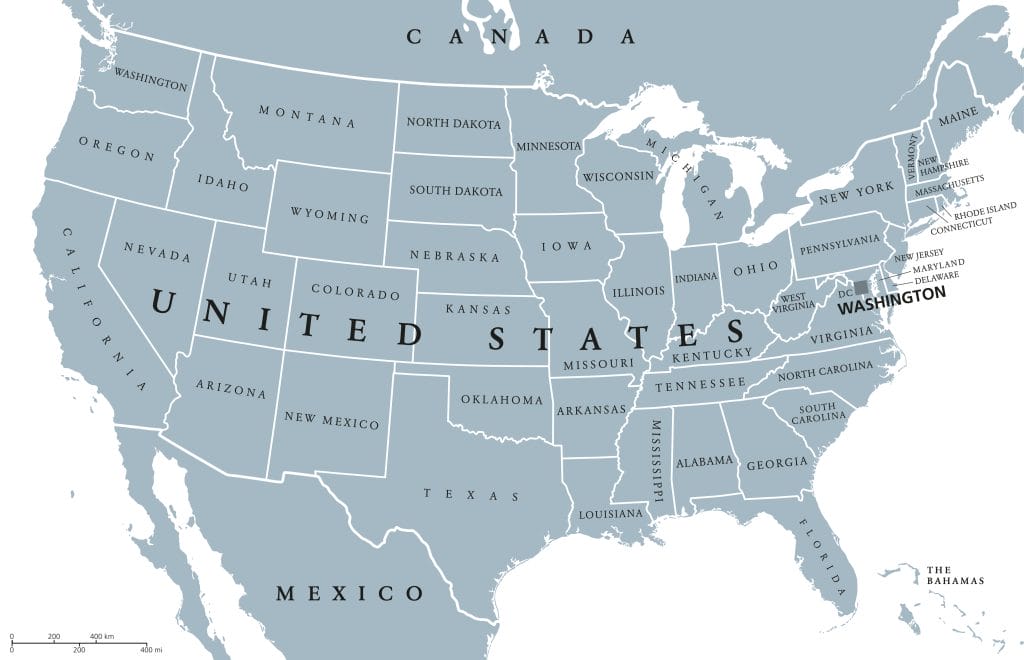
Some states require spouses to live separate and apart for a defined period of time before a divorce may be granted. In these states, the separation period is mandatory, and the court lacks authority to grant a divorce until it has fully elapsed.
North Carolina — One-Year Continuous Separation
North Carolina requires spouses to live separate and apart for at least one continuous year before an absolute divorce may be granted. N.C. Gen. Stat. § 50-6.
Courts have clarified that isolated incidents of sexual intercourse do not automatically toll the separation period, provided the parties do not resume marital cohabitation.
N.C. Gen. Stat. § 50-6; Adams v. Adams; Tuminski v. Norlin.
Arkansas — Separation Plus Residency Requirements
Arkansas requires spouses to live separate and apart for twelve months before a divorce may be granted on certain no-fault grounds. Arkansas also imposes:
60 days of residency before filing, and
Three months of residency before the final decree
A.C.A. §§ 9-12-307, 9-12-310; Roberts v. Roberts.
Virginia — Six Months or One Year Depending on Circumstances
Virginia requires:
Six months of separation if the parties have no minor children and a written separation agreement, or
One year of separation in all other cases
These requirements are jurisdictional and strictly enforced.
Va. Code Ann. § 20-91; Friedman v. Smith; Cruz v. Cruz.
Why Divorce Timelines Still Vary
Even in states without mandatory waiting periods, divorce timelines vary based on factors such as:
Whether the divorce is contested
Parenting disputes or support issues
Property or business valuation
Disclosure requirements
Court scheduling
In many cases, issues — not statutes — drive the timeline.
When One Spouse Is Not Cooperating
Illinois does not require both spouses to agree that a marriage is over. While non-cooperation can slow a case procedurally, it does not prevent a court from granting a divorce when legal requirements are met.
A calm, structured approach often leads to better long-term outcomes than escalation.
How This Typically Plays Out in McLean County Divorce Cases
In McLean County, divorce cases follow Illinois law, but timelines often depend on:
Completion of service and appearances
Accuracy of filings
Parenting education requirements
Court availability for hearings or prove-ups
Uncontested cases often move efficiently once requirements are met.
Divorce is both a legal process and a personal transition. Understanding how your state handles timing can reduce uncertainty and help you plan with clarity.
Speak With an Illinois Divorce Attorney
If you have questions about divorce timing, separation, or how Illinois law applies to your situation, speaking with an experienced divorce attorney can provide clarity and direction.
Meet Your Attorney

Kristin Nieminski is Koth Gregory & Nieminski’s lead divorce lawyer and focuses her practice on Illinois divorce and family law matters. She has extensive experience handling both uncontested and contested divorces, including cases involving custody disputes, support issues, and high-conflict dynamics.
Kristin is known for her steady, thoughtful approach — prioritizing resolution and long-term stability where possible, while providing firm, justice-centered advocacy when litigation is necessary.
FAQs
Do you have to wait to get divorced in Illinois?
No. Illinois does not have a mandatory waiting period for divorce. If residency and legal requirements are met, a divorce may proceed without a fixed delay.
Is separation required before divorce in Illinois?
No. Separation is not required. Living separate and apart for six months creates a presumption of irreconcilable differences but is not mandatory.
How does Illinois compare to states with separation requirements?
Unlike states that require months or years of separation before divorce, Illinois allows courts to rely on agreement and judicial findings rather than elapsed time alone.
Can local courts delay a divorce even if both spouses agree?
Some local court rules include short procedural delays, but these are often waivable and do not change Illinois law.
Why do online divorce waiting period charts conflict?
Because states define “waiting period” differently and laws change. Many charts oversimplify or misstate Illinois law.
Related Articles
Article Information
Published: [August 2, 2024]
Last Updated: [January 3, 2026]
Legal Disclaimer
This article is for informational purposes only and does not constitute legal advice. Reading this article does not create an attorney-client relationship. Divorce laws vary by state and may change over time. Do not rely on this article as a substitute for advice from a qualified attorney. Do not send confidential information through this website.